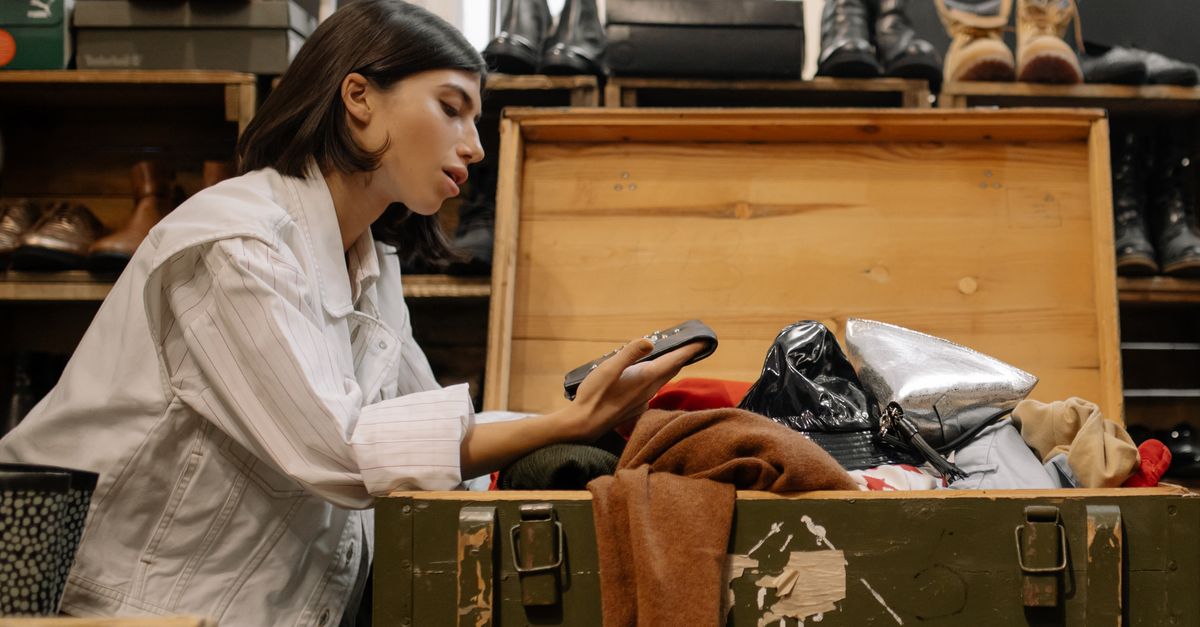
The Hidden Cost of Fast Fashion That Nobody Talks About (And How I Built a Sustainable Wardrobe for Less)
We’ve all been there: scrolling through an online store, seeing that trendy top for $12, or a pair of jeans for $20. It feels like a steal, a quick dopamine hit, and suddenly your cart is full. Fast fashion, with its endless new arrivals and impossibly low prices, promises to keep us stylish without breaking the bank. For years, I fell for it, thinking I was being savvy. My closet was overflowing, yet I always felt like I had nothing to wear. My ‘cheap’ finds frayed after a few washes, distorted in the dryer, or simply didn’t hold up to real life. What started as a way to save money turned into a constant cycle of buying and discarding, leaving me with buyer’s remorse, a cluttered space, and a surprisingly empty wallet over time.
But the real cost of fast fashion goes far beyond the flimsy seams and faded colors. It’s a silent drain on your finances, your mental peace, and yes, even your personal style. It’s a deceptive cycle that keeps you perpetually chasing the next trend, never truly satisfied, and ultimately, spending more than you realize. I used to think a sustainable wardrobe was only for those with a luxury budget, but after years of frustration, I discovered a counter-intuitive truth: embracing sustainable practices actually saved me money and built a closet I genuinely loved.
Key Takeaways
- Fast fashion’s apparent affordability masks significant hidden costs like poor quality, wasted money, and perpetual dissatisfaction.
- The constant churn of trends perpetuates a cycle of overconsumption that drains your finances and mental energy.
- Building a sustainable wardrobe is more about strategic, intentional choices than a massive upfront investment.
- Prioritizing quality over quantity significantly reduces long-term spending and boosts confidence in your everyday style.
- Practical steps like wardrobe audits, embracing mending, and smart second-hand shopping create lasting style and savings.
The Illusion of Affordability: Why ‘Cheap’ Clothing Isn’t Cheap
The most deceptive aspect of fast fashion is its perceived low price. That $15 dress or $10 t-shirt feels like a win. But in my experience, this ‘win’ is short-lived. I once bought a set of five basic t-shirts for what seemed like an incredible price – under $30. Within three months, two had holes, one had lost its shape completely, and the other two had faded so badly they looked years old. I ended up replacing them, and then replacing those replacements. This constant need to replace low-quality items is the first, most obvious hidden cost.
Think of it this way: if you buy a $15 top that lasts 3 months, you’re spending $60 a year on that one type of item. If you invest in a $60 top made from quality fabric and construction that lasts 5 years, you’re paying $12 a year. The math is simple, but it’s easy to overlook when you’re caught in the thrill of a ‘bargain.’
Beyond the material cost, there’s the cost of care. Fast fashion items often require delicate washing or air drying to even survive a few cycles, which is a time sink many of us don’t account for. Or, worse, they shrink or pill immediately, making them unwearable. I’ve wasted countless hours trying to revive a garment that was doomed from the start. What you save at the checkout, you often pay for in frustration, time, and eventual replacement.
My turning point was realizing that my ‘savings’ were actually just deferred spending, accompanied by a constant feeling of dissatisfaction. I had a closet full of clothes, yet nothing felt good, nothing lasted, and the cycle never ended. It was a clear sign that my approach to fashion needed a fundamental shift.
The Emotional & Mental Drain of Perpetual Trends
Fast fashion thrives on the constant churn of trends. New collections drop weekly, sometimes daily, creating an artificial sense of urgency and obsolescence. This isn’t just a marketing tactic; it’s a profound psychological drain. For me, it manifested as a constant feeling of inadequacy.
I’d buy something because it was ‘in,’ only to see it replaced by a new micro-trend a few weeks later. My clothes felt outdated almost immediately. This created a relentless pressure to keep buying, to keep up, to stay relevant. It’s an exhausting and unwinnable race. This constant striving for ‘new’ meant I never truly developed a personal style that felt authentic or lasting. Instead, I had a chaotic collection of fleeting trends.
The emotional cost here is significant: decision fatigue from endless choices, guilt from overspending, and a profound lack of confidence in my own style. When you’re constantly second-guessing your purchases because something ‘newer’ just dropped, you lose touch with what you actually like and what truly suits you. My closet became a graveyard of impulsive decisions, each one a reminder of a trend I failed to fully embrace or an item that didn’t bring me joy.
What truly changed for me was when I stopped trying to keep up. I started curating, not accumulating. I realized that true style isn’t about novelty; it’s about confidence, comfort, and clothing that genuinely reflects who you are, season after season.
The Strategic Wardrobe Audit: What You Actually Own
Before you can build a sustainable wardrobe, you need to understand the current state of affairs. This is where a brutal, honest wardrobe audit comes in. It’s not just about decluttering; it’s about seeing the patterns in your consumption and the true cost of your choices. For me, this was a massive wake-up call.
Here’s how I conducted my audit:
- Empty everything out: Yes, everything. Every piece of clothing, every accessory, every shoe. Lay it all on your bed, floor, anywhere you can see it all at once. The sheer volume was staggering, even for someone who thought their closet was ‘under control.’
- Categorize and evaluate: Create three piles: ‘Keep,’ ‘Donate/Sell,’ and ‘Trash.’
- Keep: Only items you absolutely love, wear regularly, fit well, and are in good condition. Be ruthless. If it’s too small, too big, requires mending you’ll never do, or hasn’t been worn in a year, it probably belongs in another pile. For me, this was about 20% of my clothes.
- Donate/Sell: Items in good condition that you no longer want or need. Think clothes that are still perfectly wearable but don’t fit your style, body, or lifestyle anymore. I was surprised by how much perfectly good clothing I was getting rid of, purely because of poor initial purchasing decisions.
- Trash: Items that are stained, ripped beyond repair, stretched out, or otherwise unwearable. This was a particularly sobering pile, highlighting the true lifespan of my fast fashion purchases. I discovered many items with a ‘wear count’ of less than five.
- Analyze the ‘Trash’ pile: Look at the brands, fabrics, and types of items that ended up here. For me, it was almost exclusively synthetic blends, poorly constructed seams, and items from specific fast fashion retailers. This informed my future purchasing decisions, making it clear which materials and brands were simply not worth my money.
- Identify gaps and duplicates in the ‘Keep’ pile: What essential items are missing? What do you have five versions of that are all slightly wrong? This helped me prioritize future purchases based on real need and versatility, not fleeting trends.
This audit revealed that my closet was 80% noise and 20% actual utility. I had spent so much on the ‘noise’ that I could have easily afforded higher-quality, longer-lasting pieces. This process was uncomfortable, but it was essential for breaking the cycle and laying the groundwork for a more intentional wardrobe.
Invest in Quality, Not Quantity: The Long-Term Savings
After my wardrobe audit, the idea of buying fewer, better things became less intimidating and more liberating. The initial sticker shock of a higher-quality garment often deters people, but I quickly learned it’s an investment that pays dividends.
Here’s how this shift works for your wallet:
- Reduced replacement costs: A well-made wool sweater for $100 might seem expensive compared to a $30 acrylic one. But if the wool sweater lasts 10 years and the acrylic one pills and stretches in two, you’ve spent $100 vs. $150 over that decade. The long-term cost is unequivocally lower for quality.
- Versatility and timelessness: Quality pieces are often designed with classic silhouettes and durable fabrics. They aren’t tied to fleeting trends. This means they mix and match more easily with other items in your closet, expanding your outfit possibilities without needing new purchases. I found that a few well-chosen basics – a classic pair of jeans, a crisp white shirt, a quality black blazer – formed the backbone of endless outfits.
- Better fit and comfort: There’s a tangible difference in how quality clothing feels and fits. Better fabrics drape well, and superior construction means clothes hold their shape. When your clothes fit well and feel good, you wear them more often, and you feel more confident. This reduces the urge to constantly buy new things in search of that elusive ‘perfect fit.’ I noticed a huge boost in my daily confidence just from wearing clothes that actually felt good on my body.
Making this shift requires patience and a new mindset. It’s about saving up for that one perfect pair of boots instead of buying three mediocre pairs. It’s about choosing natural fibers like cotton, linen, wool, and Tencel over cheap synthetics that quickly degrade. This isn’t about buying designer labels; it’s about seeking out brands that prioritize ethical production, durable materials, and thoughtful design. Look for strong stitching, quality buttons, and substantial fabric weight.
Embrace Mending, Alterations, and Second-Hand Treasures
A truly sustainable wardrobe isn’t just about how you buy; it’s about how you care for and source your clothes. This was a revelation for me. I used to discard anything with a small tear or a loose button. Now, these are opportunities.
The power of mending: A missing button, a small seam rip, a tiny hole – these are easily fixed. Learning basic mending skills (or finding a local tailor) extends the life of your clothes dramatically. I invested in a small sewing kit, and simple fixes became a meditative task. That favorite pair of jeans with a tiny tear near the pocket? A quick patch or a bit of stitching, and they’re good as new. This feels incredibly empowering and reduces waste.
Alterations for the perfect fit: One of the biggest reasons clothes sit unworn is an imperfect fit. Sleeves too long, waist too loose, hem too high. A good tailor can transform a decent garment into a perfect one. I’ve had classic pieces, like blazers or trousers, altered to fit my unique body shape, making them feel custom-made and significantly increasing how often I wear them. This is a small investment that drastically increases the value and longevity of your clothing.
Second-hand shopping as treasure hunting: This is perhaps the most exciting and budget-friendly aspect of building a sustainable wardrobe. Thrift stores, consignment shops, and online marketplaces like eBay or Poshmark are goldmines. You can find high-quality, sometimes even brand-new with tags, pieces for a fraction of their retail price.
The key to successful second-hand shopping, in my experience, is going in with a clear idea of what you need (from your wardrobe audit) but also keeping an open mind for unexpected gems. Look for natural fibers, quality construction, and unique pieces that complement your existing wardrobe. I’ve found designer jeans for $10, cashmere sweaters for $20, and vintage silk blouses that would cost hundreds new. It requires patience and a keen eye, but the rewards are immense – for your wallet and the planet.
By integrating these practices, I transformed my approach to clothing. Instead of a disposable mindset, I developed a sense of stewardship over my wardrobe, valuing each piece for its potential and longevity.
The Capsule Wardrobe Mindset: A Curated Collection
The idea of a capsule wardrobe – a small, curated collection of versatile clothing items that can be mixed and matched to create numerous outfits – was daunting at first. It felt restrictive. But after years of having ‘nothing to wear’ despite an overflowing closet, I realized that true freedom lay in having fewer, better choices.
My definition of a capsule isn’t about a rigid number of items, but a mindset of intentionality:
- Define your personal style: What colors, silhouettes, and fabrics make you feel most comfortable and confident? What’s your lifestyle? My professional life requires more polished basics, while my weekend life is casual and outdoorsy. My capsule reflects both, with pieces that can often bridge the two.
- Prioritize versatility: Every new item I consider now has to ‘earn its place’ by pairing with at least three existing items in my wardrobe. This rule alone cut down impulsive purchases dramatically.
- Focus on core pieces: These are the workhorses: well-fitting jeans, versatile trousers, a classic skirt, neutral tops, a couple of layering pieces (cardigans, blazers), and essential outerwear. These are the pieces worth investing in for quality.
- Add personality with accessories: Scarves, jewelry, shoes, and bags are where you can inject personality and experiment with trends without committing to a fast fashion cycle. I found that a simple outfit could be completely transformed with a bold necklace or a colorful scarf.
Building my capsule wardrobe wasn’t an overnight process; it was gradual. I started by identifying my absolute favorite items (my ‘Keep’ pile from the audit) and built outwards. When I needed something new, I thought critically: Does this fit my defined style? Is it versatile? Is it good quality? Can I find it second-hand?
This approach not only saved me money by eliminating frivolous purchases, but it also saved me time and mental energy. Getting dressed became a joy, not a chore. I felt more confident, more put-together, and genuinely loved the clothes I owned.
Breaking the Cycle: A Conscious Consumption Framework
Transitioning away from fast fashion is a journey, not a destination. It requires developing a conscious consumption framework that guides your decisions. This isn’t about deprivation; it’s about empowerment and aligning your spending with your values.
My framework involves these key steps:
- Practice mindful browsing: Before clicking ‘add to cart,’ ask yourself: Do I truly need this? Will it genuinely enhance my existing wardrobe? Have I worn something similar recently? I often add things to a wishlist and revisit it a week later – most often, the impulse has passed.
- Research before you buy: Look up brands. Do they have transparent supply chains? Do they use sustainable materials? Are their workers paid fair wages? This information is increasingly available and helps you make informed choices that align with ethical production.
- Consider the ‘cost per wear’: Instead of looking at the upfront price, estimate how many times you’ll wear an item. A $20 t-shirt worn 5 times costs $4/wear. A $100 blouse worn 100 times costs $1/wear. This metric completely reframed my perspective on value.
- Embrace the waiting game: Resist the urge for instant gratification. When you need a new item, take your time. Search second-hand, wait for sales on quality items, or save up for a specific piece. The anticipation often makes the eventual purchase more satisfying.
- Develop a ‘one in, one out’ rule: For every new item that enters your wardrobe, one existing item must leave. This helps maintain a curated collection and prevents clutter from creeping back in.
By adopting this framework, I transformed my relationship with clothing. I no longer feel beholden to trends or pressured by fleeting sales. My wardrobe is smaller, but infinitely more functional, stylish, and reflective of my values. The hidden costs of fast fashion are now glaringly obvious to me, and the unexpected financial freedom and peace of mind from sustainable choices are benefits I never anticipated.
Frequently Asked Questions
What exactly are the ‘hidden costs’ of fast fashion beyond the low price tag?
Beyond the initial low price, hidden costs include the frequent need for replacements due to poor quality (leading to more spending over time), the mental and emotional drain of constantly chasing new trends, wasted time caring for delicate or failing garments, and the environmental and ethical impact of unsustainable production practices.
How can I tell if a garment is good quality before buying it?
Look for natural fibers like cotton, linen, wool, or Tencel. Check the stitching – it should be even, tight, and without loose threads. Examine seams for straightness and durability. Feel the fabric for weight and drape. Quality buttons and zippers (metal, not plastic) are also good indicators. Avoid anything that feels flimsy, overly thin, or has a strong chemical smell.
Is building a sustainable wardrobe always more expensive upfront?
Often, yes, the individual pieces might have a higher upfront cost. However, the ‘sustainable’ approach focuses on buying fewer, higher-quality items that last significantly longer, thereby reducing your long-term spending on clothing. Additionally, sourcing items second-hand or learning to mend significantly reduces costs.
How do I start building a capsule wardrobe without feeling overwhelmed?
Begin with a thorough wardrobe audit to understand what you currently own and what you genuinely love and wear. Identify gaps for versatile core pieces (e.g., a quality pair of jeans, a neutral top). Start slowly by replacing fast fashion items with higher-quality, timeless pieces as they wear out, rather than trying to overhaul your entire closet at once. Focus on versatility and your personal style.
Where are the best places to find good quality second-hand clothing?
Local thrift stores, consignment shops, and online marketplaces are excellent options. My favorites include ThredUp and Poshmark for clothing, and eBay for specific brands or vintage finds. For luxury items, The RealReal or Vestiaire Collective offer authenticated options. Success often comes with patience and knowing what specific items or brands you’re looking for.
Breaking free from fast fashion was one of the most impactful changes I made for my wallet, my home, and my peace of mind. It’s not about perfection, but about making more intentional choices. Start small, be patient with yourself, and embrace the unexpected joy of a wardrobe that truly serves you, season after season.
Written by Clara Jenkins
Home organization, frugal living, practical consumer advice
A former home economics teacher, Clara brings decades of experience in household management and savvy consumer choices.
You Might Also Like
Why Your Car Windows Are Fogging Up (And The Simple Fixes Most Drivers Miss)
Ever wondered why your car windows fog up constantly? This deep dive explains the real culprits and offers practical, lasting solutions.

Why Your Home Humidifier Isn't Working (And The Simple Fixes Most People Miss)
Is your humidifier struggling to raise humidity levels? Discover the overlooked reasons and simple fixes to get your unit working effectively.

Why Your Home Heater Isn't Keeping You Warm (And The Hidden Culprits Nobody Talks About)
Struggling to keep your home warm despite running the heater? Discover the overlooked issues costing you comfort and money.